



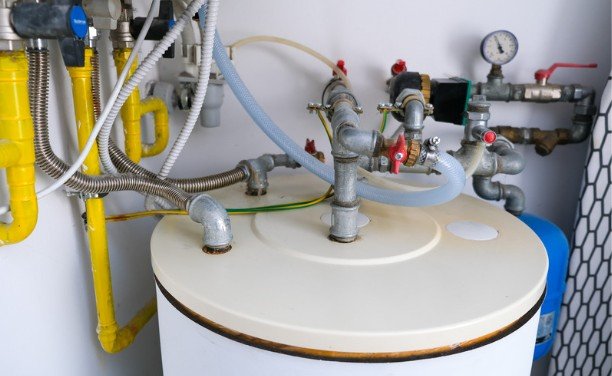
Gas fitting is a crucial aspect of residential and commercial properties, ensuring that natural gas systems operate safely and efficiently. Proper installation, maintenance, and timely gas fitting repairs are vital to avoid hazards such as gas leaks, carbon monoxide poisoning, and potential explosions. This article explores the essential gas fitting repairs homeowners should prioritise to maintain safety and optimise energy use.
Understanding Gas Fitting Systems
Gas fitting involves the installation and maintenance of gas pipelines, appliances, meters, and related components that supply gas within a property. These systems power heating appliances, cookers, hot water systems, and other gas-operated devices. Due to the hazardous nature of natural gas, strict standards govern the design, installation, and repair of gas fittings to safeguard occupants and property.
The Importance of Regular Inspections
Regular inspections of gas fittings are critical to identify and rectify faults before they escalate into serious problems. Over time, pipe corrosion, joint deterioration, or mechanical damage can lead to gas leaks. Professional plumbers trained in gas fitting assessments can detect minute leaks and structural vulnerabilities. Routine checks also ensure compliance with local safety regulations and insurance requirements.
Common Gas Fitting Repairs
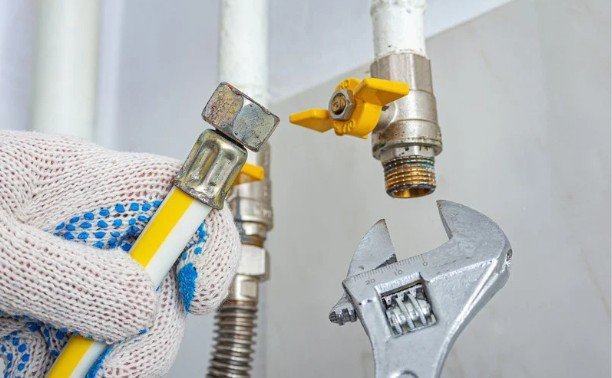
Several types of repairs commonly arise during gas fitting maintenance. These include repairing or replacing damaged pipes, sealing leaking joints, servicing gas meters, and fixing faulty valves. Clogged or malfunctioning gas regulators also require attention to maintain correct pressure levels. Immediate repair of any defects found prevents operational failures and protects occupants from potential hazards.
Signs Indicating the Need for Gas Fitting Repairs
Homeowners should be vigilant for signs indicating problems with their gas fitting systems. Common indicators include a faint smell of gas, hissing sounds near fittings, yellow-tipped flames in gas appliances, and unexpected changes in gas pressure. Any of these signs necessitate prompt professional evaluation and, if needed, gas fitting repairs to mitigate risks.
Gas Leak Detection and Repair
Gas leaks represent one of the most dangerous issues requiring immediate attention. Leaks may occur due to loose connections, corrosion, or physical damage to pipes. Professionals use specialised equipment such as gas detectors and pressure testing devices to accurately pinpoint leaks. Once detected, the affected section is repaired or replaced to restore system integrity. Following repair, further leak tests ensure all faults are resolved.
Upgrading Old Gas Pipes
Older properties often have aging gas pipes made of materials prone to corrosion and fatigue, such as iron or steel. Upgrading these pipes with suitable modern materials can enhance safety and performance.
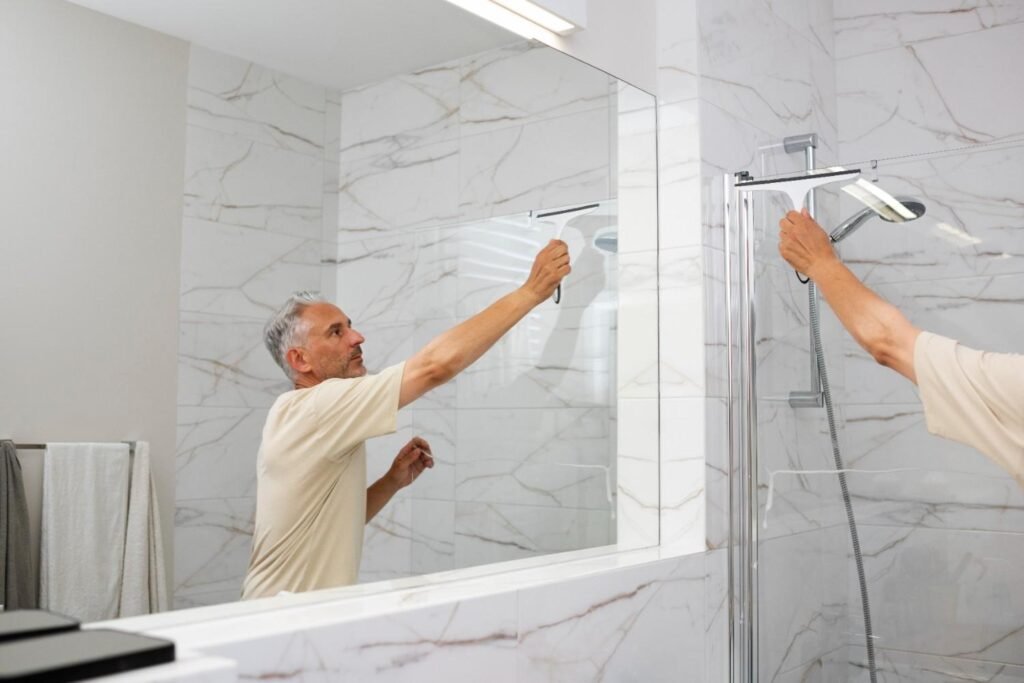
If you’re also researching materials to consider for stylish shower installation, coordinate bathroom renovations with any necessary gas pipe upgrades. A licensed gas fitter can select appropriate piping, complete the replacement, and test the system to help reduce leak risks and maintain reliable gas flow.
Appliance Connection Repairs
Proper connection of gas appliances is essential for safe operation. Faulty connections can result in gas leaks or inefficient appliance performance. Repairs may include replacing defective flexible hoses, tightening loose fittings, or installing appropriate connectors. Certified gas fitters ensure that all connections adhere to manufacturer guidelines and regulatory requirements.
Pressure Regulation Repairs
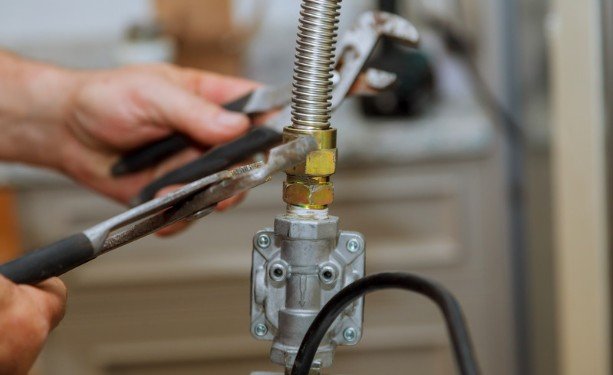
Gas pressure regulators are components that maintain consistent pressure within the gas fitting system. Malfunctioning regulators cause pressure fluctuations, which can damage appliances or cause them to operate unsafely. Repairing or replacing faulty regulators is a technical task requiring expertise to restore correct pressure levels and ensure appliance longevity.
Certification and Compliance
Gas fitting repairs must comply with national and local safety codes. Licensed gas fitters provide certification after completing repairs, confirming that work meets legal standards. Documentation is important for homeowner safety reassurance, insurance purposes, and when selling property. Non-compliant repairs can lead to severe penalties and increased safety risks.
The Role of Professional Gas Fitters
Gas fitting repairs demand professional knowledge and skills due to the risks involved. Untrained individuals attempting DIY repairs may overlook critical safety factors and cause more harm. Professional gas fitters undergo rigorous training and accreditation to handle all aspects of gas fitting work safely, using specialised tools and correct procedures.
Emergency Gas Fitting Repairs
In the event of sudden gas leaks or failures, emergency repairs are imperative. Quick response by certified gas fitters can prevent accidents and restore continuous gas supply. Homeowners should have contact information for reliable gas fitting services, such as those offering emergency support at short notice.
Maintenance to Prevent Future Issues
Beyond repairs, regular maintenance extends the lifespan of gas fitting systems and reduces emergency incidents. Maintenance includes cleaning components, testing system pressure, inspecting joints, and verifying appliance operation. Scheduled maintenance visits by professionals contribute to ongoing safety and operational efficiency.
Energy Efficiency Benefits
Well-maintained gas fitting systems perform more efficiently, reducing energy waste and lowering utility bills. Repairs that eliminate leaks and ensure correct pressure enhance appliance efficiency. Upgrading outdated systems not only improves safety but also contributes to environmental sustainability by minimising gas consumption.
Cost Considerations for Gas Fitting Repairs
The cost of gas fitting repairs varies depending on the nature and extent of the work required. Minor repairs such as sealing leaks may be relatively affordable, while pipe replacement or regulator installation can be more expensive. Investing in timely repairs avoids costly emergencies and potential property damage, making preventative care economically prudent.
Choosing a Reliable Gas Fitting Service
Selecting a trustworthy and experienced gas fitting provider is critical for safety and quality assurance. Homeowners should verify credentials, accreditations, and customer reviews before commissioning gas fitting repairs. Services such as those offered by Good Hands Plumbing demonstrate industry expertise and commitment to safe gas fitting practices.
Conclusion
Essential gas fitting repairs are integral to maintaining safe, efficient homes and preventing risks associated with gas systems. Regular inspections, prompt leak detection, timely repairs, and professional maintenance safeguard properties and occupants. Adhering to safety standards and engaging qualified professionals ensures gas fittings remain reliable and efficient, contributing to overall property value and occupant well-being.