






I still remember the first time I tried to make my home “smart.” I bought a smart bulb, plugged it in, downloaded three apps, and somehow ended up turning the living room lights on at 2 AM from my phone.
That chaotic start taught me something important. Smart homes work best when you build them gradually and follow a clear step-by-step smart home setup guide instead of installing random gadgets all at once.
Over time, I created a routine that works. My lights adjust automatically in the evening, my coffee maker starts when I wake up, and I control most things with a simple voice command. The best part? You can set up a smart home without expensive installers or complicated wiring.
If you want a system that feels helpful instead of frustrating, here’s the step-by-step smart home setup guide that worked for me.
Why Does a Step-by-Step Smart Home Setup Guide Make Smart Homes Easier?
When people imagine smart homes, they picture futuristic houses filled with gadgets. In reality, most smart home failures happen because people install devices before building the right foundation.
When I first experimented with smart devices, I skipped the basics. My Wi-Fi struggled to handle everything, and half the devices disconnected randomly. After I rebuilt my setup using a structured step-by-step smart home setup guide, everything changed.
Smart homes depend on three main factors: reliable internet with data privacy, compatible devices, and thoughtful automation. If you install devices in the wrong order, your system becomes messy and unreliable. If you install them strategically, everything works smoothly and feels almost invisible.
A structured setup also saves money. Instead of buying devices you rarely use, you focus on tools that actually improve your daily routine.
What Should You Set Up First in a Step-by-Step Smart Home Setup Guide?

The smartest decision I made involved starting with infrastructure rather than gadgets. A strong foundation makes every device perform better.
Build a Reliable Home Network
Smart homes depend heavily on Wi-Fi. Every bulb, plug, and camera connects to your router, so weak coverage quickly creates frustration.
I tested my Wi-Fi signal throughout my home before adding devices. Some rooms showed weak signals, especially near the garage and backyard. Installing a mesh Wi-Fi system fixed those dead zones instantly.
Mesh networks spread connectivity across multiple nodes, which allows devices to stay connected even in large or multi-story homes. After switching to mesh Wi-Fi, my smart devices stopped disconnecting.
Create a Separate Network for Smart Devices
Security matters when dozens of devices connect to your network. I created a separate guest network specifically for smart devices.
This simple step protects personal laptops, phones, and work devices from potential security risks. Many routers allow you to create separate networks in minutes.
Once I set up a dedicated smart-device network, managing devices became easier and safer.
Which Smart Home Ecosystem Should You Choose?

Before buying devices, choose a primary platform that controls everything. I learned this lesson the hard way after installing devices that required different apps.
A smart home ecosystem acts like the central brain of your home. It connects lights, speakers, cameras, and sensors into one system.
Here’s a quick comparison that helped me decide:
| Platform | Best For | Strength |
| Amazon Alexa | Beginners and budget setups | Broad compatibility |
| Google Home | Android users | Excellent voice assistant |
| Apple HomeKit | Apple users | Strong privacy protection |
| Matter devices | Cross-platform homes | Future-proof compatibility |
I chose Google Home because I already used Android devices. Everything connected easily and voice commands felt natural.
Choosing one ecosystem early prevents a confusing mix of apps and controls.
Which Devices Deliver the Best “Quick Wins” in a Smart Home?
Smart homes feel overwhelming until you start with simple devices that improve everyday routines.
Smart Bulbs
Smart bulbs changed my evening routine instantly. I schedule them to dim gradually after sunset, which creates a calm atmosphere without touching a switch.
They also help save energy. Lights automatically turn off when I leave the house.
Smart Plugs
Smart plugs remain my favorite beginner gadget. They convert normal appliances into smart ones.
I connected a coffee maker and a small heater to smart plugs. Now both run automatically based on my morning schedule.
Smart Speakers
Smart speakers act like the remote control for the entire home.
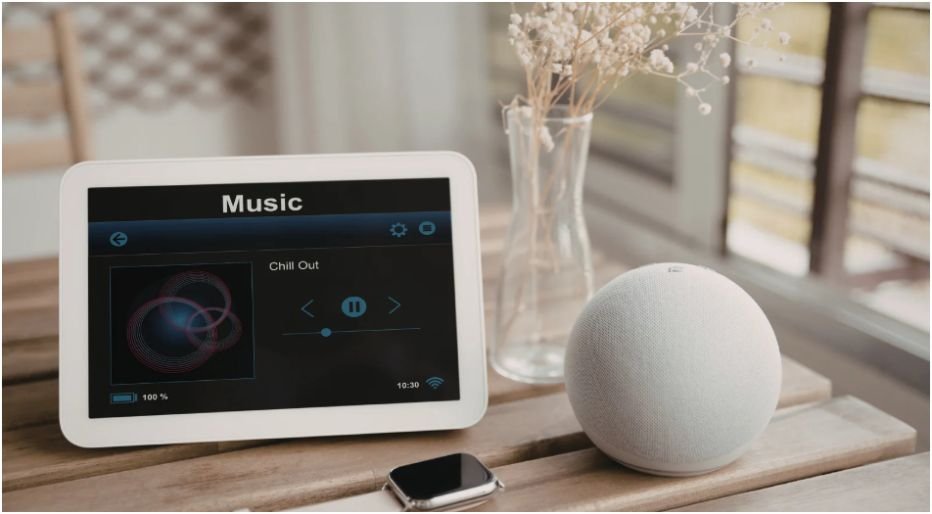
With a simple voice command, I control lights, music, timers, and reminders. Devices like the Echo Dot or Nest Mini provide an easy entry point into smart homes.
Starting with these small upgrades helped me understand how automation works before investing in larger devices.
How Do You Create Automations That Actually Help Your Daily Routine?

The magic of smart homes appears when devices start working together. Instead of controlling everything manually, I built routines that support my daily habits.
My favorite automation starts each morning. Bedroom lights brighten slowly, my smart speaker reads the weather, and the coffee maker turns on.
Evening routines work just as well. When I say “Good night,” the system locks doors, turns off lights, and lowers the thermostat.
Motion sensors also help in subtle ways. When I walk down the hallway late at night, lights turn on automatically at a dim level so I don’t wake everyone.
These routines remove dozens of small decisions from my day.
How-To: Follow This Step-by-Step Smart Home Setup Guide
Building a smart home feels much easier when you follow a clear order. Here’s the exact step-by-step smart home setup guide I recommend based on my own experience.
First, strengthen your home network. Walk through every room and test your Wi-Fi signal. Install a mesh system if you notice weak areas.
Second, choose your primary ecosystem. Decide whether Alexa, Google Home, or Apple HomeKit will control your devices.
Third, install beginner devices such as smart bulbs and smart plugs. These devices require minimal setup and immediately show the benefits of smart technology.
Fourth, connect devices using the manufacturer app and then link them to your main ecosystem. Give devices clear names like “Kitchen Light” or “Hallway Lamp” to make voice commands accurate.
Finally, build simple routines. Start with small automations like scheduled lighting or voice commands before creating complex systems.
Following this step-by-step smart home setup guide helped me avoid frustration and build a system that actually improves daily life.
Key Takeaways From My Smart Home Experience
| Tip | Why It Matters |
| Build strong Wi-Fi first | Smart devices depend on stable connectivity |
| Choose one ecosystem | Avoid app overload and compatibility problems |
| Start small | Easy devices teach you how automation works |
| Create routines early | Automation delivers the biggest convenience |
| Expand slowly | Gradual upgrades keep systems stable |
Frequently Asked Questions
1. Do I need expensive equipment to start a smart home?
No. Start with a smart bulb or smart plug and expand slowly as you learn what works best for your routine.
2. Can smart home devices work without internet?
Many devices still work locally, but internet access is required for remote control and voice assistant features.
3. How many smart devices can a home network support?
A modern router can usually handle 30–50+ devices. A mesh Wi-Fi system improves stability for larger smart homes.
4. Are smart homes safe from hacking?
Yes, when you use strong passwords, update devices regularly, and place smart devices on a separate network.
So… Is a Smart Home Actually Worth It?
After living with a connected home for several years, I can honestly say it feels less like technology and more like a helpful assistant.
Lights adjust automatically, routines support my mornings, and simple voice commands remove small daily hassles. None of these changes feel dramatic individually, but together they make everyday life smoother.
If you follow a thoughtful step-by-step smart home setup guide, you avoid the frustration many beginners experience. Start small, focus on useful routines, and expand slowly.
The smartest homes don’t rely on the most gadgets. They rely on systems that quietly support the way you already live.