






There was a time when more felt like progress. More clothes, more gadgets, more storage bins, more things waiting to be organized someday. But the strange truth was that the more I owned, the less spacious life felt. Closets were full, yet mornings were stressful. The house looked stocked, yet weekends disappeared into cleaning and managing. Owning more wasn’t adding ease it was quietly subtracting time and attention.
Learning how to own less and live more wasn’t about throwing everything away or chasing an aesthetic version of minimalism. It was about noticing how physical excess translated into mental load. Every object carried upkeep, decisions, and subtle responsibility. When possessions decreased, something unexpected expanded breathing room, focus, and freedom to spend energy on experiences and relationships rather than maintenance.
Why Owning Less Immediately Changes How You Live
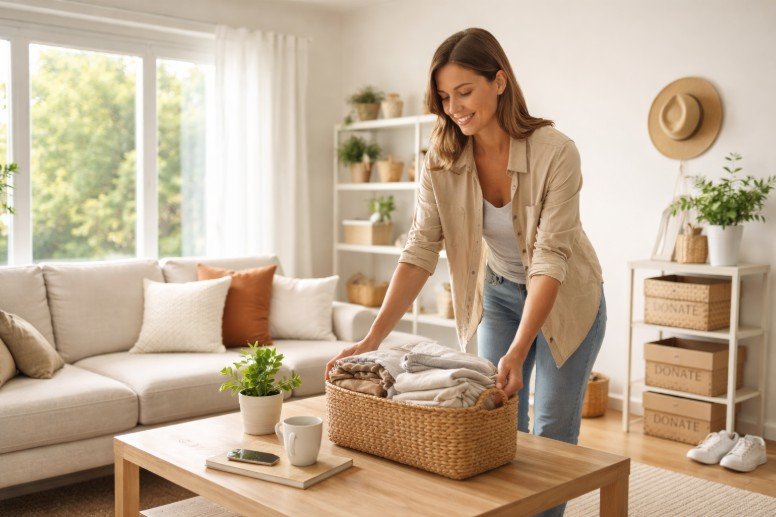
Most people assume the benefit of owning less is simply a tidy home. But the deeper shift is cognitive. Fewer possessions reduce the number of micro-decisions your brain processes daily, such as what to wear, where to store things, what to clean, what to organize, and what to maintain. That constant background processing drains attention.
When belongings decrease, friction decreases. Mornings move faster. Cleaning becomes lighter. Spaces feel calmer. Time stops leaking into maintenance tasks. And that reclaimed time naturally flows into living conversations, hobbies, rest, movement, or simply presence.
Owning less also weakens the consumption loop. When fewer items enter your life, desire stops being constantly triggered by clutter, duplicates, and unused purchases. Contentment becomes easier because you see and use what you already have.
The Daily Habits That Prevent Clutter From Returning
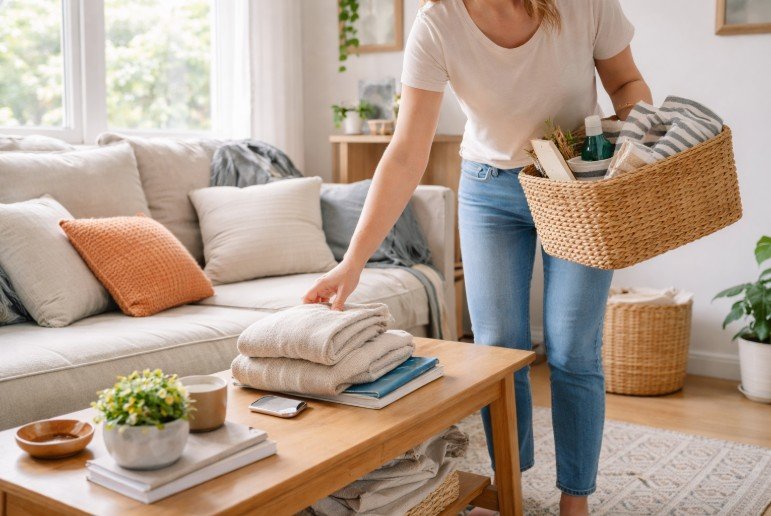
Minimalism doesn’t fail because people declutter incorrectly. It fails because inflow quietly resumes. The most effective approach is small, repetitive behavior that prevent accumulation in the first place.
In many ways, these routines show how you can simplify your life with small daily changes rather than relying on occasional large decluttering efforts.
Practical daily decluttering habits
- Follow the one-in, one-out rule so total possessions stay stable
- Do a 15-minute daily sweep of drawers, counters, or small clutter zones
- Reset shared spaces each night, especially the kitchen
- Clear surfaces before bed so mornings begin calm
- Remove digital clutter by limiting notifications and unsubscribing
These habits work because they match real life. Instead of dramatic purges, they create continuous equilibrium the home never drifts far from manageable.
How To Stop Stuff From Entering Your Life

Owning less becomes sustainable only when buying habits change. Most clutter begins not from emotional attachment but from impulse convenience inexpensive items, “just in case” purchases, duplicates, upgrades, or trend-driven buys.
Intentional consumption doesn’t mean deprivation. It means slowing the inflow enough for decisions to become conscious again.
A powerful shift is the 30-day list. When you want something non-essential, you write it down and wait. Many urges dissolve because they were situational or emotional rather than necessary. What remains after time passes is usually genuinely useful.
Another practical filter is the 20/20 rule: if something can be replaced quickly and cheaply, it doesn’t need permanent storage. This releases the fear that drives hoarding of low-value items.
Quality also replaces quantity. Fewer, durable belongings eliminate cycles of replacement and reduce both physical and mental clutter. The goal stops being ownership volume and becomes ownership usefulness.
The Turning Point: Choosing Experiences Over Possessions

The moment people begin to live more is usually when spending shifts from objects to experiences. Objects occupy space and require care. Experiences occupy memory and create connections.
Meals shared with friends, short trips, classes, events, and time outdoors create lasting emotional return without adding maintenance. They also reinforce identity you become someone who does things rather than someone who manages things.
This shift gradually changes satisfaction itself. Instead of anticipation coming from purchases, it comes from plans, relationships, and personal growth. Living feels active rather than consumptive.
Living More Means Protecting Time And Attention
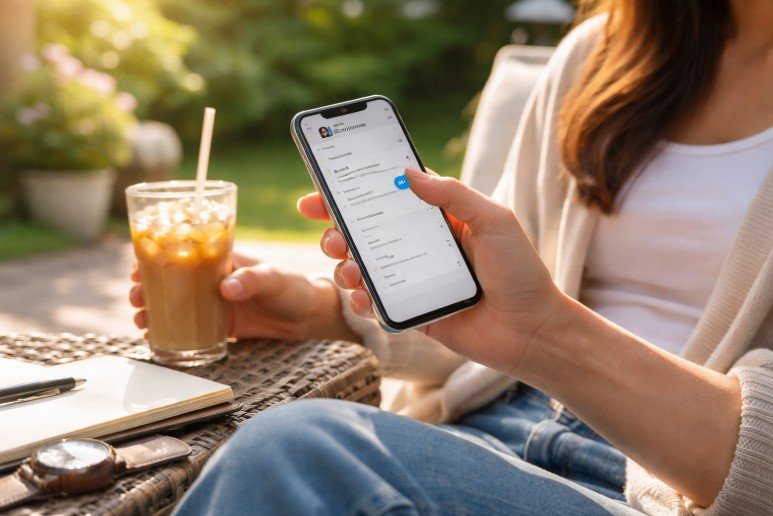
Owning less creates potential space, but living more requires intentional use of that space. Without new habits, empty time can easily refill with digital distraction or unnecessary commitments.
A simple but effective structure is limiting daily priorities to three meaningful tasks. This prevents the overwhelm that often pushes people toward avoidance behaviors like shopping, scrolling, or busywork. Progress feels visible, and attention stays directed.
Clothing is another hidden decision drain. A small, versatile wardrobe removes daily choice fatigue and reduces laundry, storage, and shopping cycles. When clothing works together easily, mornings become automatic instead of evaluative.
Digital environments also shape mental load. Reducing notifications, subscriptions, and unused apps prevents attention fragmentation. Devices stop acting like clutter portals and return to being tools.
The Emotional Side Of Owning Less
One reason accumulation persists is emotional substitution. Buying temporarily relieves boredom, stress, or comparison. Decluttering alone cannot change that pattern; awareness must replace it.
Gratitude is surprisingly practical here. Regularly noticing what already serves you weakens the sense of lack that drives unnecessary purchases. Contentment grows not from acquiring but from recognizing sufficiency.
Boundaries also play a role. Saying no to unnecessary commitments protects time the same way saying no to unnecessary objects protects space. Both are forms of ownership control. When time and possessions align with values, life feels intentional rather than reactive.
Maintaining A Life With Less
The long-term success of owning less comes from maintenance habits rather than motivation. Motivation fluctuates, but systems persist.
Homes stay lighter when:
- Inflow is filtered
- Clutter is cleared daily
- possessions stay visible and usable
- Replacements are intentional
- Excess never accumulates unseen
This creates a stable baseline where spaces remain calm without effort. And because upkeep is small, it rarely requires large resets.
FAQs
1. How do I start owning less without becoming extreme?
Begin with inflow, not outflow. Pause non-essential purchases for a month and observe what you actually use daily. Then remove obvious duplicates and unused items. Gradual reduction feels sustainable and avoids rebound accumulation.
2. Does owning less really reduce stress?
Yes. Fewer possessions reduce visual stimulation, decisions, cleaning tasks, and maintenance responsibilities. This lowers background cognitive load, which directly affects perceived stress and mental fatigue.
3. What if I need things later after decluttering?
Use replacement logic. Many items can be reacquired quickly if truly needed. The small risk of rebuying is usually lower than the ongoing cost of storing and managing rarely used possessions.
4. How do I live more after decluttering?
Redirect saved time and money intentionally. Plan activities, relationships, learning, or rest. Living more doesn’t happen automatically it happens when freed resources are consciously invested.
Final Thoughts
Owning less isn’t about subtraction; it’s about alignment. Every possession carries weight, physical, visual, and mental. When that weight decreases, life becomes easier to move through. Spaces breathe. Decisions shrink. Time stretches. And gradually, attention returns to what was always more meaningful than objects: people, experiences, curiosity, and presence. The shift feels small at first, then quietly transformative.
Living more rarely requires adding anything new. It usually begins by removing what was never truly needed.