




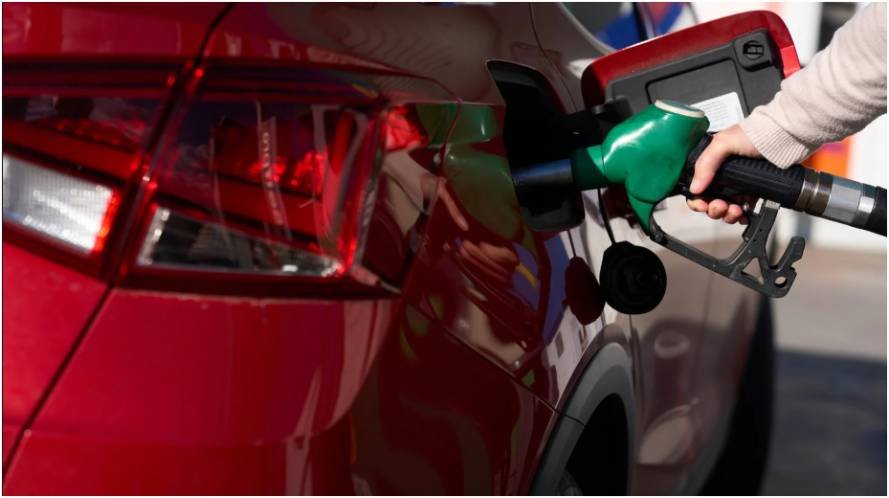
I started paying serious attention to how to improve car fuel efficiency during a long road trip across the Midwest. Gas prices climbed, and every stop at the pump felt painful. I realized something interesting: small driving habits added up fast. When I adjusted my speed, packed lighter, and drove more smoothly, I watched my fuel range increase almost immediately.
Now improving fuel economy sits right alongside my regular car routine. I check tire pressure, drive with intention, and plan trips more thoughtfully. You don’t need a hybrid or a fancy new car to save gas. You simply need a few smart habits that keep your engine working efficiently instead of fighting unnecessary resistance.
Here’s the routine I follow whenever I want to improve mileage and stretch every gallon further.
Why Does Driving Style Matter When Learning How to Improve Car Fuel Efficiency?
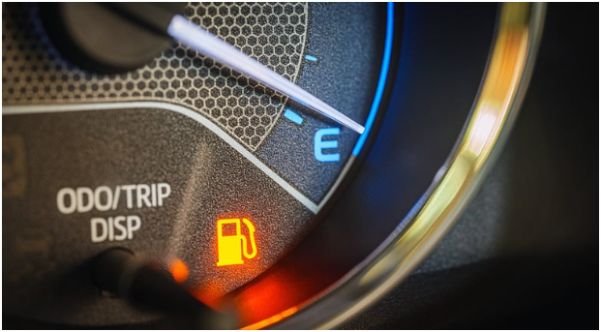
Driving style shapes fuel consumption more than most people realize. Aggressive acceleration, rapid braking, and constant speed changes force the engine to burn extra fuel. When I drove like I raced traffic lights, my fuel gauge dropped much faster.
Smooth driving keeps engine load stable. When I accelerate gradually and coast toward stops, the engine uses less energy to maintain motion. I treat momentum like money in the bank. Every time I slam the brakes, I waste energy that fuel created moments earlier.
Speed also plays a huge role. Fuel economy usually drops rapidly once speeds exceed about 50 mph. Wind resistance increases dramatically at highway speeds, which means the engine must push harder just to move forward. When I keep my speed steady instead of rushing, my fuel efficiency improves noticeably.
How Does Highway Speed Affect How to Improve Car Fuel Efficiency?
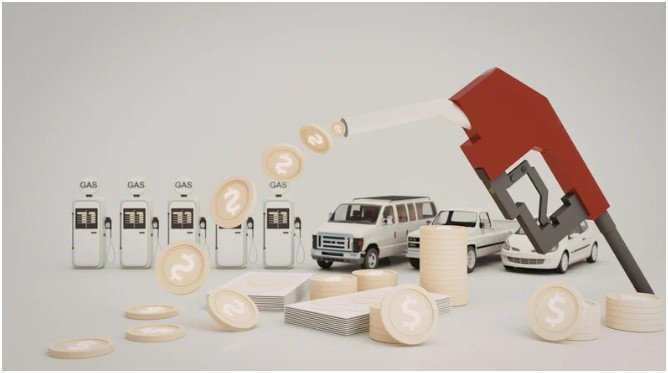
Highway driving feels efficient, but speed changes the equation quickly. At higher speeds, more than half of the engine’s power goes toward pushing air out of the way. Aerodynamic drag becomes the biggest energy thief.
Most vehicles reach their efficiency “sweet spot” somewhere between 30–55 mph. When I cruise closer to that range instead of pushing 75 or 80 mph, my fuel economy improves dramatically. Even driving 10 mph faster can increase fuel consumption by about 15%.
Here’s a simple comparison I keep in mind during long trips:
| Speed | Relative Fuel Use |
| 55 mph | Optimal efficiency |
| 65 mph | ~8–10% more fuel |
| 70 mph | ~15% more fuel |
| 75+ mph | 20% or more fuel |
When I settle into a steady cruising speed, the engine stays in a comfortable RPM range around 1500–2000 RPM, which burns less fuel while maintaining motion.
Why Do Aerodynamics Matter When Trying to Improve Car Fuel Efficiency?
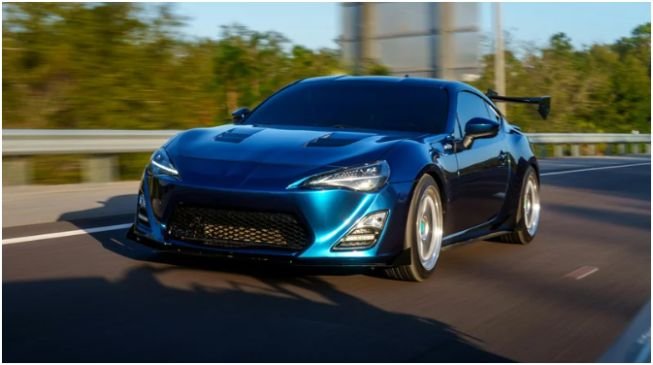
Aerodynamics rarely come up in everyday driving conversations, but they influence fuel efficiency more than many people expect.
Open windows at highway speed create turbulence around the car. At city speeds, I often enjoy fresh air. But once I reach highway speeds above 50 mph, I close the windows and let the air conditioning handle cabin cooling. Surprisingly, this reduces drag and saves fuel.
Roof racks also affect airflow. I used to leave mine installed year-round even when I didn’t carry cargo. Once I removed it between trips, I noticed better fuel economy on long drives. Even an empty roof rack can reduce efficiency by several percent.
Another habit I picked up involves keeping the car clean. Dirt and rough surfaces disrupt airflow slightly. A clean, waxed car allows air to move more smoothly across the body. The improvement stays small, but every little efficiency gain adds up over time.
How Does Vehicle Maintenance Help Improve Car Fuel Efficiency?
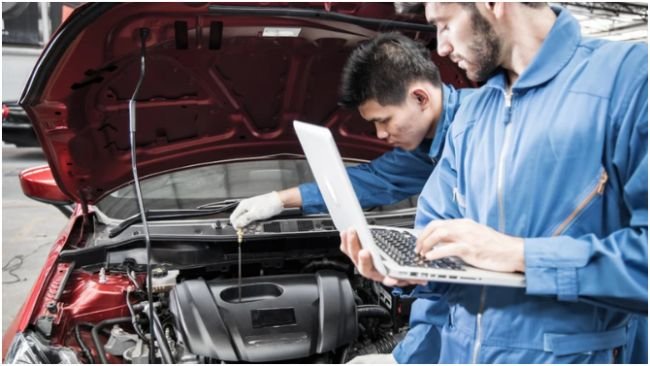
Good driving habits work best when the car itself runs efficiently. Basic maintenance plays a huge role in fuel consumption.
The first thing I check regularly is tire pressure. Underinflated tires create extra rolling resistance, which forces the engine to work harder. When I keep tires at the recommended pressure, the car rolls more easily and saves fuel.
Engine health matters too. Regular tune-ups keep sensors, spark plugs, and fuel systems working properly. A poorly tuned engine wastes fuel because it struggles to maintain efficient combustion.
Here are a few maintenance habits I follow:
| Maintenance Habit | Fuel Efficiency Benefit |
| Proper tire pressure | Up to 3% better mileage |
| Correct motor oil | 1–2% improvement |
| Engine tune-ups | ~4% improvement |
| Replacing faulty oxygen sensor | Up to 40% improvement |
These small tasks keep the car operating near peak efficiency.
How Does Trip Planning Help Improve Car Fuel Efficiency?
Trip planning might sound simple, but it saves more fuel than many mechanical tweaks.
Short trips waste fuel because engines run inefficiently while cold. When I combine errands into a single route, the engine stays warm and operates more efficiently. Instead of making three short drives across town, I group tasks together.
Navigation apps also help reduce wasted fuel. When I check traffic conditions before leaving, I avoid congested routes that involve constant stop-and-go driving.
Even a slightly longer route with fewer stops often saves more fuel than a shorter road full of traffic lights.
How-To Improve Car Fuel Efficiency Step by Step
When I prepare for a road trip or daily commute, I follow a simple routine that stop over consumption habits that can drain finances.
First, I check tire pressure before driving. Tires lose air naturally over time, and proper inflation helps the car roll efficiently.
Next, I remove unnecessary items from the trunk. Extra weight forces the engine to burn more fuel during acceleration.
Then I plan my route before leaving. Navigation apps help avoid heavy traffic and construction zones that waste fuel.
During the drive, I accelerate gradually and maintain steady speed. I watch the road ahead so I can coast toward stops instead of braking suddenly.
Finally, I keep highway speeds moderate and maintain steady RPMs using cruise control on flat roads. This routine keeps fuel consumption low while making driving more relaxed.
Key Takeaways for How to Improve Car Fuel Efficiency
- Smooth acceleration saves significant fuel
- Moderate speeds improve highway mileage
- Proper tire pressure reduces rolling resistance
- Removing roof racks reduces aerodynamic drag
- Combining errands reduces cold engine trips
- Maintaining steady RPM improves efficiency
These simple mindseft shifts form the foundation of my everyday fuel-saving routine.
FAQs About How to Improve Car Fuel Efficiency
1. Does cruise control help improve car fuel efficiency?
Yes, cruise control helps maintain a consistent speed on flat highways. When speed fluctuates constantly, the engine burns more fuel to accelerate repeatedly. Cruise control removes that variation and keeps engine load stable, which improves fuel efficiency during long highway drives.
2. Does air conditioning reduce fuel efficiency?
Air conditioning does use engine power, but the effect changes with speed. At lower speeds, rolling down windows usually saves fuel. At highway speeds, open windows create aerodynamic drag that often wastes more fuel than running the AC.
3. How much does tire pressure affect fuel economy?
Tire pressure influences rolling resistance. Underinflated tires force the engine to work harder just to move the vehicle. Keeping tires at the recommended pressure can improve fuel economy by about three percent while also improving safety and tire life.
4. Does driving slower always save fuel?
Driving moderately usually saves fuel, but extremely slow speeds can also reduce efficiency. Most vehicles reach peak efficiency between about 30 and 55 mph. Maintaining steady speed within that range typically produces the best fuel economy.
Your Gas Tank Will Thank You
Learning how to improve car fuel efficiency changed the way I drive every day. Instead of rushing everywhere and watching the fuel gauge drop, I focus on smooth driving, smarter planning, and basic maintenance.
These habits make driving calmer and more predictable, and they stretch every gallon further. The next time you head out on the road, try adjusting just one habit. Your wallet and your gas tank will notice the difference almost immediately.