






A few years ago, I noticed something strange in our home. We had more storage bins than open floor space. Closets were full, yet we still felt like we had “nothing to wear.” We spent money constantly, but never felt ahead. That’s when I started exploring minimal lifestyle tips for families, not as a trend, but as a survival strategy.
What surprised me most wasn’t just the cleaner shelves or organized drawers. It was the financial breathing room. When we stopped chasing more and started editing what we owned, what we bought, and what we committed to, we gained something bigger than space. We gained control.
Minimalism, especially for families, isn’t about living with nothing. It’s about removing what doesn’t serve you so your time, money, and energy go toward what actually matters.
Why Minimalism Naturally Saves Money?

When families reduce excess, spending patterns change almost automatically. Fewer impulse purchases. Less storage furniture. Fewer duplicate items. Lower maintenance costs. You stop buying just because something is on sale.
Minimalism shifts you from reactive spending to intentional spending.
One framework that works well in a family minimalist lifestyle is the 50/30/20 rule:
- 50% of income toward needs (housing, groceries, utilities)
- 30% toward wants (hobbies, dining out, entertainment)
- 20% toward savings or debt repayment
When you apply minimal lifestyle tips for families to maintain a healthy life, that 30% category becomes more thoughtful. You question purchases. You pause before clicking “buy now.” And that’s where real savings begin.
The “wait rule” also makes a difference. Before buying non-essential items, wait 24 hours or even 30 days for bigger purchases. Most of the time, the urgency fades. That one habit alone can protect hundreds of dollars each month.
Practical Ways Families Can Save Money With Minimalism

Saving money with minimalism isn’t extreme. It’s practical. Here’s what actually works:
- Reduce recurring costs. Audit streaming services, gym memberships, subscription boxes, and insurance add-ons. Many families discover they’re paying for services they barely use.
- Buy secondhand strategically. Facebook Marketplace, community swaps, and thrift stores are goldmines for children’s clothes, sports gear, and even furniture.
- Shop bulk intentionally. Buying non-perishables at warehouse stores like Costco lowers per-unit cost, but only if you truly use the items.
- Choose frugal fun. Library story times, local parks, free museum days, and “kids eat free” nights create memories without draining your budget.
When minimalism becomes part of family budgeting practices, spending aligns with values and live a meaningful life. You’re no longer funding clutter.
Saving Space Without Making Your Home Feel Empty
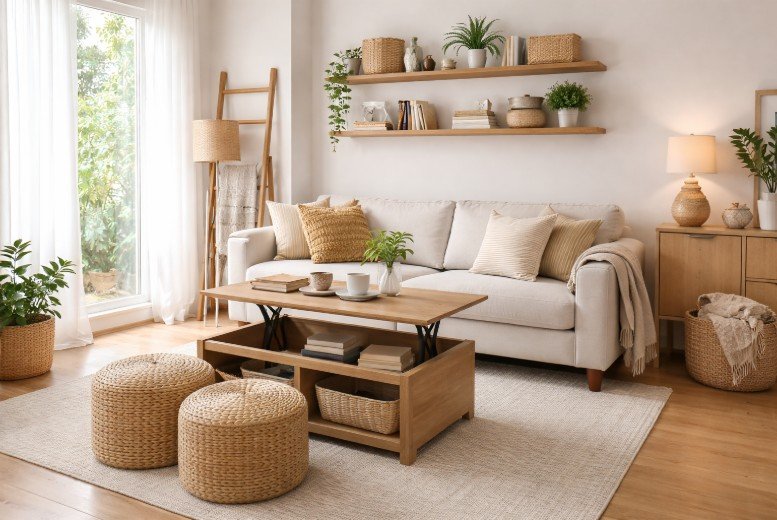
Saving space isn’t about stripping your home bare. It’s about designing it to function well.
One rule we adopted quickly was the one-in, one-out rule. Every new item entering the house meant something else had to leave. It prevented accumulation without constant purging.
Multi-functional furniture also changed how our space worked. Ottomans with hidden storage. Beds with drawers underneath. Dining tables that doubled as homework stations. Every piece had to “earn its spot.”
Digitizing paperwork made a noticeable difference, too. School forms, manuals, and old documents were scanned and stored securely online. Filing cabinets shrank. Countertops cleared.
Minimalist home organization isn’t about aesthetic perfection. It’s about flow. When surfaces stay clear, and items have designated homes, stress drops naturally.
Making Minimalism A Family Effort

Minimalism fails when it feels like a rule imposed from the top. It succeeds when it becomes a shared goal.
Children model what they see. When parents regularly assess their wardrobes, gadgets, and purchases, kids absorb the behavior. That’s more effective than lectures about decluttering.
Designating “homes” for everything also builds independence. Clear bins with picture labels help younger children clean up without constant reminders. Even something small, like assigning a drawer for each child’s school supplies, reduces daily chaos.
One system that works well in busy households is the “chaos bucket.” Place a basket in high-traffic areas to collect stray items during the day. Each night, spend five minutes returning everything to its proper place. Small resets prevent large messes.
Minimal lifestyle tips for families work best when routines replace willpower.
Mindset Shifts That Make It Stick

The real transformation isn’t in the storage bins. It’s in how you think about consumption.
Minimalism encourages mindful consumption habits. Before buying, ask:
- Do we already own something similar?
- Will this add value long term?
- Is this solving a real problem or an emotional impulse?
Over time, intentional spending becomes automatic. Family members learn that space is valuable. Money is purposeful. Time is protected.
A clutter-free home isn’t just visually calm. It reduces cleaning time, decision fatigue, and the constant low-grade stress that comes from managing too much.
Minimal lifestyle tips for families aren’t about sacrifice. They’re about clarity.
Frequently Asked Questions
1. How do I start minimalism with kids who resist decluttering?
Start with your own belongings first. Model the behavior. Then involve children in small, manageable decisions. Let them choose which toys to donate rather than forcing removals.
2. Does minimalism really help with saving money?
Yes. It reduces impulse buying, lowers maintenance and storage costs, and encourages intentional budgeting strategies like the 50/30/20 rule and the wait rule.
3. What is the easiest area to declutter first?
Clothing is often the simplest starting point. Duplicate items and rarely worn pieces are easier to identify. Clearing one category builds momentum.
4. How do we prevent clutter from coming back?
Implement systems: the one-in, one-out rule, toy rotation, and monthly spending reviews. Minimalism works when habits replace one-time cleanouts.
Final Thoughts
When families adopt minimal lifestyle tips for families, the benefits ripple outward. Financial stress softens. Homes feel breathable. Weekends aren’t spent reorganizing closets. Instead of constantly managing possessions, you manage your time and energy more intentionally. The shift is gradual, but powerful. You begin choosing quality over quantity, experience over accumulation, and clarity over chaos.
Less really can mean more space, more savings, and more room for what matters most.