






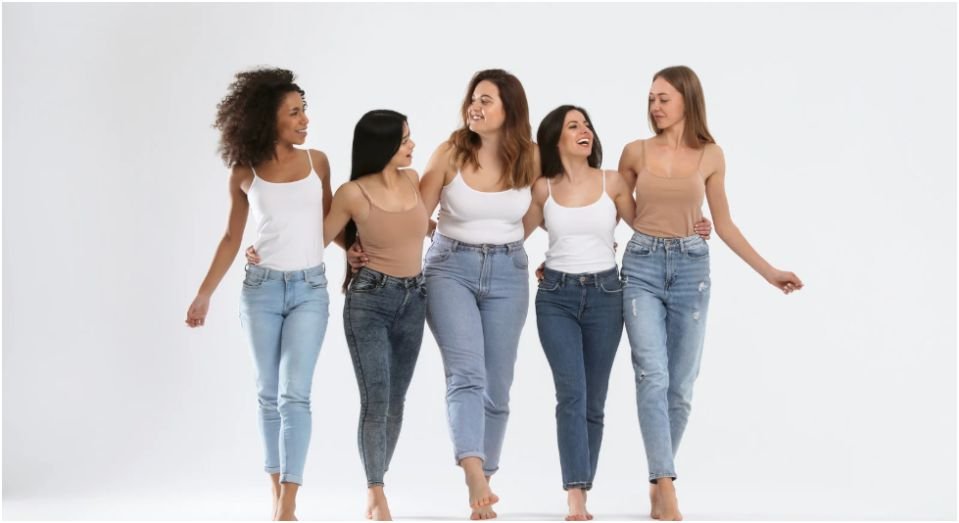
One Saturday morning I stood in front of my closet staring at clothes I loved but rarely wore. Some outfits looked amazing on the hanger yet felt completely wrong on me. That moment pushed me to finally understand how to dress for your body shape.
Once I started paying attention to proportions instead of trends, everything changed. I stopped buying random pieces and started choosing clothes that actually worked with my natural silhouette.
If you ever feel like certain outfits just “don’t work,” the problem usually isn’t your body. It’s the fit and styling. Learning how to dress for your body shape helped me build outfits that feel balanced, comfortable, and confident.
Why Does Learning How to Dress for Your Body Shape Change Your Style?

I used to think fashion meant copying outfits from Instagram. Then I noticed something interesting. The same outfit looked different on different people.
That realization made me rethink my wardrobe strategy. Body shape affects how clothing sits on your shoulders, waist, and hips. When I started choosing pieces that matched my proportions, outfits looked better without extra effort.
Understanding how to dress for your body shape also simplifies shopping for a minimalist lifestyle that will save money and space. Instead of guessing what might look good, you start recognizing which silhouettes flatter you instantly. Your closet becomes more intentional and less cluttered.
Another benefit involves confidence. Clothes stop feeling like a disguise and start feeling like an extension of your personality.
How Do You Figure Out Your Body Shape?
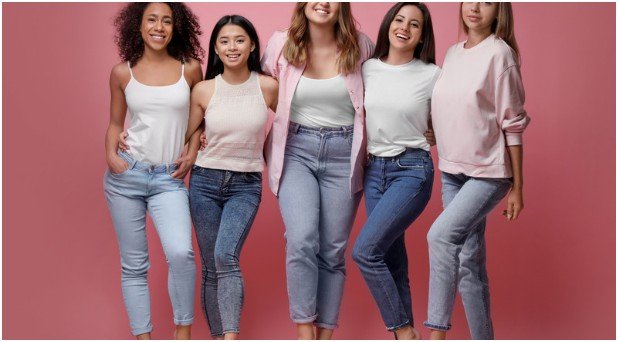
Before I could improve my wardrobe, I needed to understand my proportions. Body shapes usually fall into four common categories.
The shape depends on how your shoulders, bust, waist, and hips compare. I wrote down my measurements and compared them.
Here is a simple overview that helped me.
| Body Shape | Key Characteristics |
| Hourglass | Bust and hips balanced with a defined waist |
| Pear | Hips wider than shoulders |
| Apple | Shoulders and bust wider than hips |
| Rectangle | Shoulders, waist, and hips similar width |
When I realized I leaned toward a pear shape, my shopping habits changed instantly. I began adding more interesting tops and structured shoulders.
That small shift made my outfits look balanced.
What Measurements Help Determine Your Body Shape?
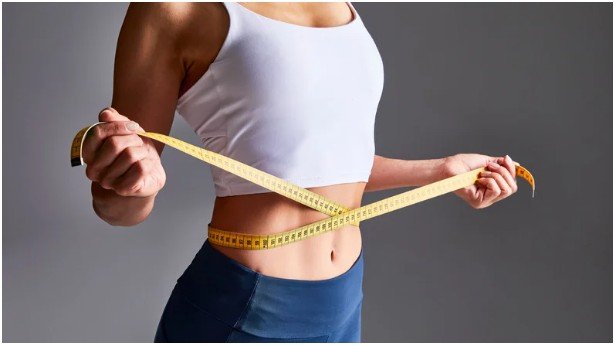
Accurate measurements helped me confirm my shape. I grabbed a flexible measuring tape and wore light clothing.
I stood straight but relaxed and kept the tape parallel to the floor. Tight measuring creates inaccurate results, so I kept the tape comfortable.
Four measurements matter most.
Shoulders
Someone helped me measure around the widest point of my shoulders. The tape wrapped around my upper back like a shawl.
This number reveals how broad your upper body appears.
Bust
I measured around the fullest part of my chest. Keeping the tape level across my back gave the most accurate number.
Waist
Your natural waist sits around the narrowest part of your torso. Mine appeared about an inch above my belly button.
If you bend sideways, the crease that forms shows your natural waistline.
Hips
The fullest point of the hips usually sits lower than people expect. Mine measured several inches below my hip bones.
These four numbers help identify the shape through simple ratios.
How Do Different Body Shapes Affect Clothing Choices?
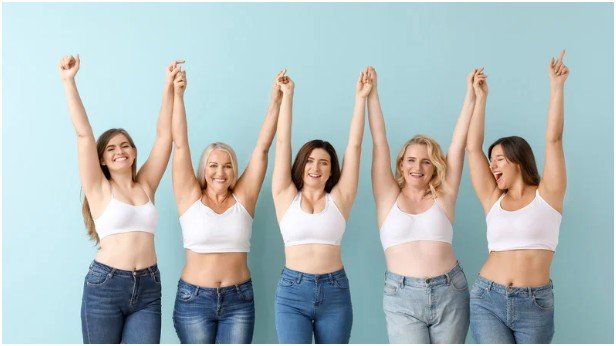
After identifying my shape, I started adjusting my outfits. Each body shape benefits from slightly different styling techniques.
Hourglass Shape
Hourglass bodies already have balanced curves. I noticed wrap dresses, belted tops, and high-waisted pants highlight the waist beautifully.
Loose, oversized clothing hides the natural shape and makes the silhouette look heavier.
Pear Shape
Pear shapes benefit from visual balance. When hips appear wider, adding volume to the upper body works well.
Structured shoulders, bright tops, and boat necklines draw attention upward. Darker bottoms create contrast and balance.
Apple Shape
Apple shapes usually carry more volume in the midsection. I recommend V-necklines and empire-waist dresses because they elongate the torso.
Straight-leg or flared pants highlight the legs and create proportion.
Rectangle Shape
Rectangle bodies look more athletic and straight. To add curves, I like peplum tops, belted dresses, and ruffles.
These details create the illusion of a defined waist.
How to Dress for Your Body Shape in Everyday Outfits
Daily routines helped me practice how to dress for your body shape without overthinking fashion and creating a minimalist capsule wardrobe in budget that suits your body and style.
Instead of planning dramatic outfits, I made small styling decisions that improved balance.
First, I focused on highlighting features I liked. If I loved my legs, I wore slightly shorter skirts. If I liked my arms, sleeveless tops worked well.
Second, fabric choice made a huge difference. Structured fabrics like denim add shape where needed. Soft fabrics like jersey follow natural curves.
Color also changed proportions. Dark colors slim an area visually, while bright colors attract attention. I often wear brighter tops and darker bottoms for balance.
These little adjustments transformed my everyday outfits.
How to Dress for Your Body Shape Step by Step
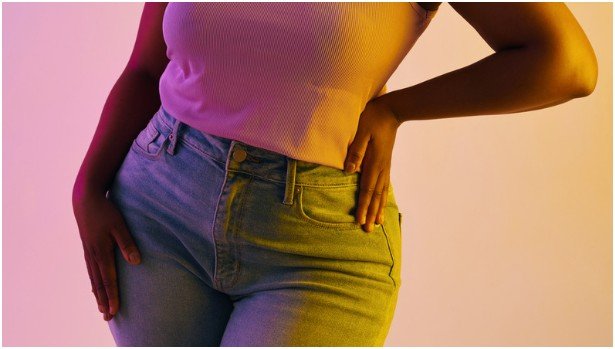
Building outfits became easier once I followed a simple routine.
Step 1: Measure Your Body
Use a flexible measuring tape to measure shoulders, bust, waist, and hips. Write the numbers down.
Step 2: Identify Your Shape
Compare your measurements. If hips measure larger than shoulders, you likely have a pear shape. If shoulders appear broader, you may have an inverted triangle shape.
Step 3: Highlight Your Waist
Almost every outfit looks better with waist definition. Belts, wrap dresses, or high-waisted pants create structure.
Step 4: Balance Proportions
Add volume where your frame looks narrower. Structured shoulders or brighter tops help balance wider hips.
Step 5: Choose Flattering Silhouettes
Pay attention to cuts that complement your proportions. A-line skirts, V-necklines, or peplum tops often improve balance.
This routine helped me simplify outfit choices every morning.
Frequently Asked Questions
1. Can I have more than one body shape?
Yes, many people fall between categories. Bodies rarely fit perfectly into one label. I consider body shape a guideline rather than a strict rule.
Focus on proportions instead of labels. If your hips measure slightly wider than shoulders, you may lean toward a pear shape even if the difference feels small. Adjust styling choices gradually until you find what feels balanced.
2. Does body shape change over time?
Body shape can shift with weight changes, muscle development, or aging. Hormones also influence fat distribution.
I noticed subtle changes over the years, especially after adjusting my workout routine. Instead of fighting those changes, I update my wardrobe accordingly. Style should adapt with your body.
3. Do trends work for every body shape?
Trends rarely suit everyone. Some cuts flatter certain proportions more than others.
I still experiment with trends, but I tweak them. For example, if oversized blazers trend, I add a belt or choose a structured version that defines my waist.
Adapting trends works better than copying them exactly.
4. Do I need expensive clothes to dress for my body shape?
Not at all. Fit matters far more than price. Many of my favorite outfits come from affordable stores.
Tailoring inexpensive clothing can create a better silhouette than buying expensive items that fit poorly. Small adjustments like hemming or adding a belt often make a big difference.
So… Did Learning How to Dress for Your Body Shape Change My Closet?
Absolutely. Once I understood how to dress for your body shape, getting dressed stopped feeling frustrating.
My closet now contains pieces that actually work together. I waste less money on impulse buys and feel confident in everyday outfits.
Fashion finally feels practical instead of confusing.
The best tip I can share involves observation. Pay attention to how clothes sit on your body and adjust slowly. Style improves through small daily habits, not dramatic makeovers.
Confidence often starts with understanding your proportions. Once you learn that, your wardrobe becomes much easier to manage.
Key Takeaways
- Understanding how to dress for your body shape helps balance proportions and improve outfit fit.
- Measuring shoulders, bust, waist, and hips helps determine your silhouette.
- Different shapes benefit from specific styling techniques that balance the body.
- Fabric, color, and structure influence how clothing shapes the body.
- Personal style improves when you prioritize flattering fits over fashion trends.