







Life rarely becomes overwhelming overnight. It usually happens slowly: more notifications, more commitments, more clutter, more decisions. At some point, even ordinary days start to feel heavy. I’ve noticed that complexity doesn’t always come from big problems; it comes from tiny accumulations that quietly pile up until everything feels harder than it should.
What actually helped wasn’t a dramatic reset or throwing everything away. It was small, almost unnoticeable shifts clearing one surface, turning off a few alerts, deciding fewer things in the morning. Over time, those small changes removed friction from daily life. Simplifying your life often isn’t about doing less; it’s about making everyday living require less effort.
Why Life Feels Overcomplicated Today

Modern life creates a constant micro-load. Messages arrive all day. Choices appear everywhere. Homes hold more items than needed. Schedules stretch across work, errands, social plans, and digital obligations. None of this feels extreme individually, but together it produces mental clutter and decision fatigue.
The brain handles only a limited number of decisions before quality drops. When daily routines contain dozens of tiny choices, such as what to wear, what to eat, what to respond to, and what to buy, energy drains early. This is why life can feel busy even without major responsibilities. Simplifying your life works best when you reduce repeated friction points rather than chasing perfection or minimalism.
Declutter Your Space In Small, Repeatable Ways

Physical clutter quietly competes for attention. Even when ignored, it signals unfinished tasks to the brain. The goal isn’t a perfect home; it’s reducing visual noise so your environment supports calm instead of distraction. Small, repeatable actions make decluttering sustainable.
- One in, one out: When something new enters your home, remove one existing item.
- Three-box method: Sort items into trash, donate, or maybe. Revisit the maybe box later.
- Reset to zero nightly: Spend 10 minutes clearing visible surfaces before bed.
- Immediate put-away: Return items right after use to prevent buildup.
These micro habits reduce accumulation without requiring large cleaning sessions. Over weeks, spaces stay lighter with minimal effort. Simplifying your life often begins with making your surroundings easier to maintain.
Simplify Your Digital World Without Disconnecting
Digital clutter is less visible but often more draining. Alerts, emails, feeds, and constant updates fragment attention. Each interruption forces the brain to switch contexts, and regaining focus takes time. Most people don’t need less technology; they need fewer unnecessary digital inputs.
Turning off non-essential notifications immediately reduces background stress. Checking your own state before checking your phone in the morning shifts attention from reactive to intentional. Periodic disconnection, even for an hour, resets mental noise. Unsubscribing from unused emails removes recurring cognitive load. These adjustments simplify daily life without removing useful tools.
Reduce Daily Decisions And Routine Friction

Many daily decisions repeat endlessly. Meals, clothing, schedules, and purchases seem small but accumulate into fatigue. When routine choices are pre-decided, mental space opens for meaningful tasks. Simplifying your routine is one of the fastest ways to simplify your life.
- Prepare the night before: Choose clothes and prep essentials ahead of morning.
- Batch meals: Cook once and reuse for multiple meals.
- Five-sentence emails: Keep responses concise to save time.
- 30-day purchase list: Delay non-essential buying decisions.
These changes remove dozens of micro-decisions weekly. Over time, days feel smoother, not because tasks vanish, but because they require less thought. Life becomes lighter when repeated choices shrink.
Shift Your Mindset Toward Less And Enough
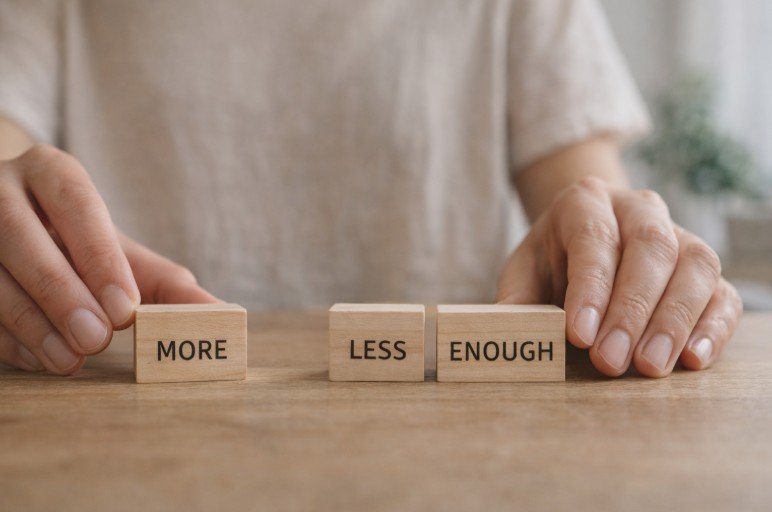
External simplification works best when paired with internal shifts. Many complications come from expectations saying yes too often, multitasking constantly, or feeling pressure to do more. Adjusting mindset reduces invisible complexity. Over time, these small shifts become positive lifestyle changes that quietly improve everyday well-being and make daily routines feel more manageable.
Saying no protects time and energy. Focusing on one task improves completion and lowers stress. Gratitude practices redirect attention from scarcity to sufficiency. A not-to-do list clarifies what you intentionally avoid: overcommitting, overchecking, and overthinking. These shifts simplify experience even when circumstances stay similar.
Small habits become lasting change through repetition. Roughly three weeks build familiarity; about three months stabilizes behavior. Consistency matters more than intensity. Simplifying your life is less about radical change and more about steady removal of friction across days.
FAQs
1. How long does it take to simplify your life?
Small habits typically feel natural after a few weeks and become stable within a few months. The key is consistency rather than speed.
2. What is the easiest way to start simplifying your life?
Begin with one visible friction point, such as clutter or notifications. Quick wins create momentum and make further changes easier.
3. Do you need minimalism to simplify your life?
No. Simplification focuses on reducing friction and excess, not owning as little as possible. It adapts to any lifestyle.
4. Why do small changes work better than big ones?
Small changes require less effort and resistance, making them easier to repeat. Repetition turns them into lasting habits.
Final Thoughts
Life often feels complicated, not because it truly is, but because friction accumulates quietly, objects left out, alerts constantly pulling attention, decisions repeating endlessly. Removing that friction rarely requires dramatic action. It comes from small, steady adjustments that make daily living smoother.
When spaces hold less clutter, routines require fewer choices, and attention faces fewer interruptions, mental load drops naturally. Simplifying your life becomes less about control and more about ease.
A simpler life usually grows from tiny changes made consistently. Start small, repeat daily, and let simplicity build gradually.