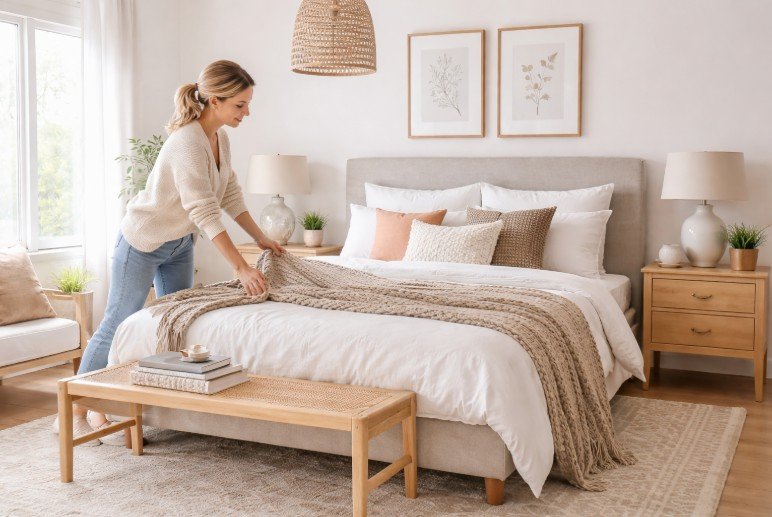





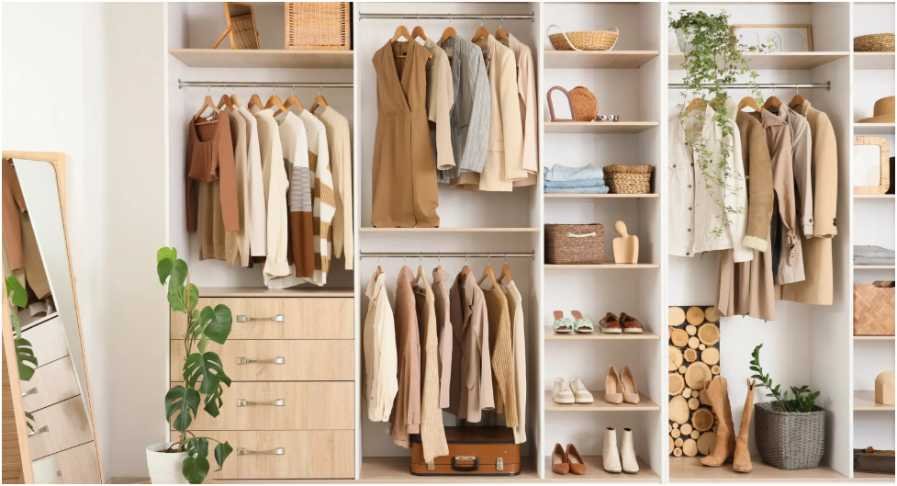
A few years ago, I stood in front of a closet packed with clothes and still felt like I had nothing to wear. Shirts hid behind dresses I never touched. Jeans stacked on the shelf but somehow never felt right. That moment pushed me to learn how to build a capsule wardrobe on a budget, and it completely changed how I approach clothing.
Instead of buying more, I focused on using what I already owned and adding only pieces that worked together. The result felt surprisingly freeing. My closet looked cleaner, my mornings became easier, and my spending dropped dramatically.
If you want a wardrobe that feels stylish, practical, and affordable, learning how to build a capsule wardrobe on a budget can completely reset your relationship with clothes.
Why Does Learning How to Build a Capsule Wardrobe on a Budget Make Life Easier?
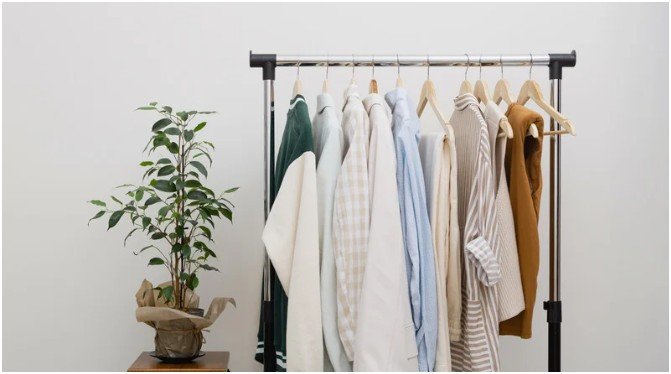
When I simplified my wardrobe, I noticed something unexpected. My mornings became calmer. I stopped wasting time searching for outfits because almost everything matched.
A capsule wardrobe focuses on versatile basics rather than endless options. Neutral colors mix easily, and a smaller set of clothing creates dozens of outfit combinations.
Money savings also surprised me. Instead of impulse shopping, I began making intentional purchases as a realistic self-improvement lifestyle. Understanding how to build a capsule wardrobe on a budget helped me stop buying trendy pieces that only worked for one season.
The biggest benefit felt mental. My closet stopped feeling chaotic and started feeling purposeful.
What Clothes Should You Keep When Learning How to Build a Capsule Wardrobe on a Budget?
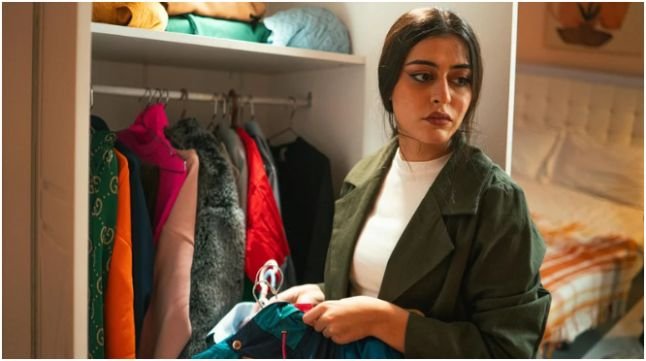
The first step never involves shopping. I started by auditing my closet and evaluating every item honestly.
I pulled everything out and placed items into three piles: keep, donate, and repair. Only pieces that fit well, felt comfortable, and matched my personal style stayed.
When I researched how to build a capsule wardrobe on a budget, I noticed that most capsules rely on timeless basics rather than fashion trends.
Typical starter pieces include simple items that mix easily.
| Category | Examples |
| Tops | Plain T-shirts, white button-down, neutral blouse |
| Bottoms | Straight-fit jeans, tailored trousers |
| Layers | Cardigan, blazer, lightweight jacket |
| Shoes | Neutral sneakers, one dressy pair |
These pieces form the backbone of a capsule wardrobe because they create many outfit combinations.
How Do Neutral Colors Help When You Learn How to Build a Capsule Wardrobe on a Budget?
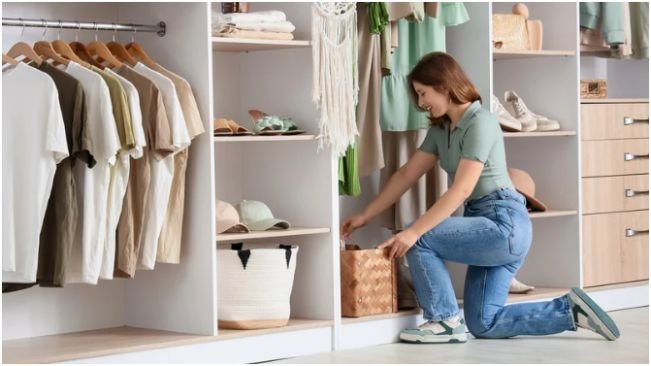
Color coordination changed everything for me.
Before I understood how to build a capsule wardrobe on a budget, my closet contained random colors that rarely worked together. After switching to a consistent palette, outfit planning became almost effortless.
Most capsule wardrobes rely on 3–5 neutral colors such as black, white, navy, grey, or beige. These shades blend easily and rarely clash.
I added one or two accent colors for personality. A soft green sweater and a burgundy scarf kept things interesting without disrupting the mix-and-match system.
This small adjustment allowed almost every item in my closet to work together.
How Do Smart Shopping Habits Support How to Build a Capsule Wardrobe on a Budget?
Once I cleaned out my closet, I shifted my focus toward smarter shopping habits.
One rule changed everything: I never bought clothing unless it paired with at least three items already in my wardrobe. I call this my “three-outfit rule.”
Secondhand shopping also helped enormously. Thrift stores and resale platforms offer quality clothing at a fraction of retail prices. I often find durable pieces that last longer than fast-fashion items.
Timing purchases also makes a huge difference. Winter coats often drop 50 percent or more by late winter. Summer clothing becomes cheaper in early fall.
These habits support the core idea behind how to build a capsule wardrobe on a budget: buy fewer pieces, but buy better ones.
What Capsule Wardrobe Formulas Make Planning Easier?
Structured wardrobe formulas helped me stay organized while building my capsule.
One beginner-friendly method uses the 3-3-3 rule. You choose three tops, three bottoms, and three pairs of shoes. Those nine items can create dozens of outfits.
Another helpful system follows the 5-4-3-2-1 method.
| Item Type | Quantity |
| Tops | 5 |
| Bottoms | 4 |
| Layers | 3 |
| Shoes | 2 |
| Statement accessory | 1 |
These frameworks keep wardrobes manageable while still offering plenty of outfit combinations.
How to Build a Capsule Wardrobe on a Budget Step by Step
Step 1: Empty Your Closet Completely
I started by removing everything from my closet. Seeing all my clothing at once helped me identify duplicates and items I never wore.
Sorting pieces into keep, donate, and repair categories created instant clarity.
Step 2: Identify Your Core Essentials
Next, I focused on foundational pieces. Neutral T-shirts, jeans, simple blouses, and versatile jackets formed the base of my wardrobe.
These basics create the most outfit combinations.
Step 3: Choose a Consistent Color Palette
A small color palette keeps your wardrobe cohesive.
I chose black, white, navy, and beige as my base colors and added one accent shade.
Step 4: Fill Gaps Slowly
Instead of buying everything at once, I replaced missing essentials gradually.
Setting a monthly clothing budget kept my spending under control.
Step 5: Follow the Cost-Per-Wear Rule
I now ask one simple question before buying anything: How often will I wear this?
If the item works with multiple outfits and lasts for years, it earns a place in my wardrobe.
How Does Organization Help Maintain a Capsule Wardrobe?
Once I simplified my wardrobe, organization became much easier.
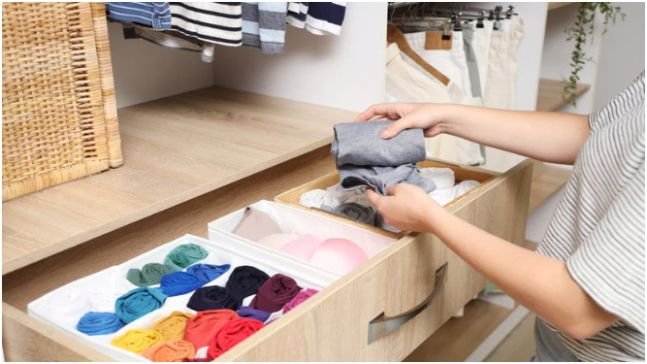
I keep my closet arranged by category and color. Shirts hang together, jackets stay grouped, and pants remain folded on a single shelf.
Storage organizers also help maintain structure. Stackable closet bins, drawer dividers, and foldable wardrobe shelves keep everything visible and accessible.
When clothes stay organized, your capsule wardrobe stays functional.
Key Takeaways
| Principle | Why It Works |
| Focus on neutral colors | Easier outfit combinations |
| Buy versatile basics | More outfits with fewer pieces |
| Shop secondhand | High quality for lower prices |
| Use cost-per-wear thinking | Long-term savings |
| Keep wardrobe organized | Maintains simplicity |
Frequently Asked Questions
1. How many clothes should a capsule wardrobe have?
Most capsule wardrobes contain between 25 and 40 items, including tops, bottoms, outerwear, and shoes. The exact number depends on your lifestyle and climate. I prefer a smaller wardrobe because fewer pieces make outfit decisions easier. The goal involves versatility rather than strict limits.
2. Can you build a capsule wardrobe if you already have lots of clothes?
Absolutely. Most people already own many capsule-friendly pieces. Start by identifying neutral basics that fit well and match your lifestyle. Donate items you rarely wear. Building a capsule wardrobe often involves editing rather than buying new clothing.
3. Does a capsule wardrobe work for different seasons?
Yes, but seasonal adjustments help. I keep lightweight pieces for warmer months and rotate sweaters and coats during winter. Some staples stay year-round, like jeans, neutral shirts, and versatile jackets. Seasonal rotation keeps the wardrobe practical without increasing the total number of items.
4. Is a capsule wardrobe only for minimalists?
Not at all. Capsule wardrobes simply focus on intentional clothing choices. You can still express personal style through accessories, colors, and textures. The main goal involves creating a wardrobe where every piece works together instead of competing for space.
The Closet Glow-Up That Saves Your Wallet
Once I learned how to build a capsule wardrobe on a budget, my closet started working for me instead of against me.
I stopped chasing trends and started investing in pieces that felt comfortable and reliable. Every item in my wardrobe now earns its place.
If your closet feels crowded but uninspiring, try simplifying it. You might discover that fewer clothes actually give you more style, more clarity, and a lot more breathing room in your budget.