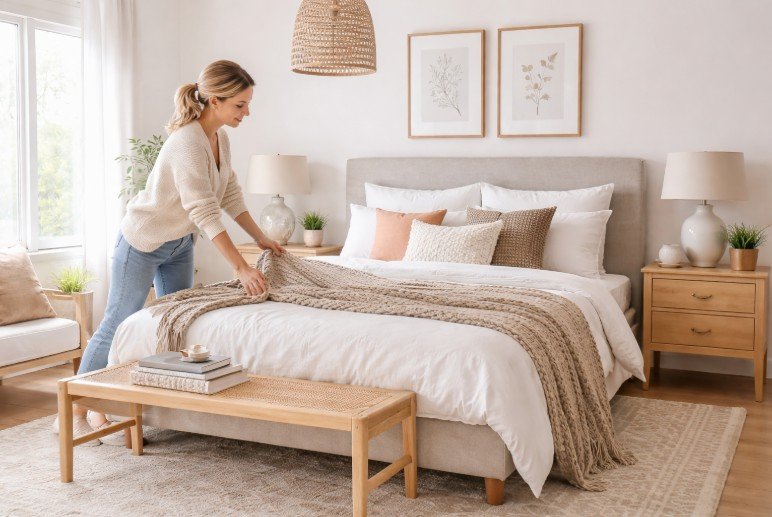





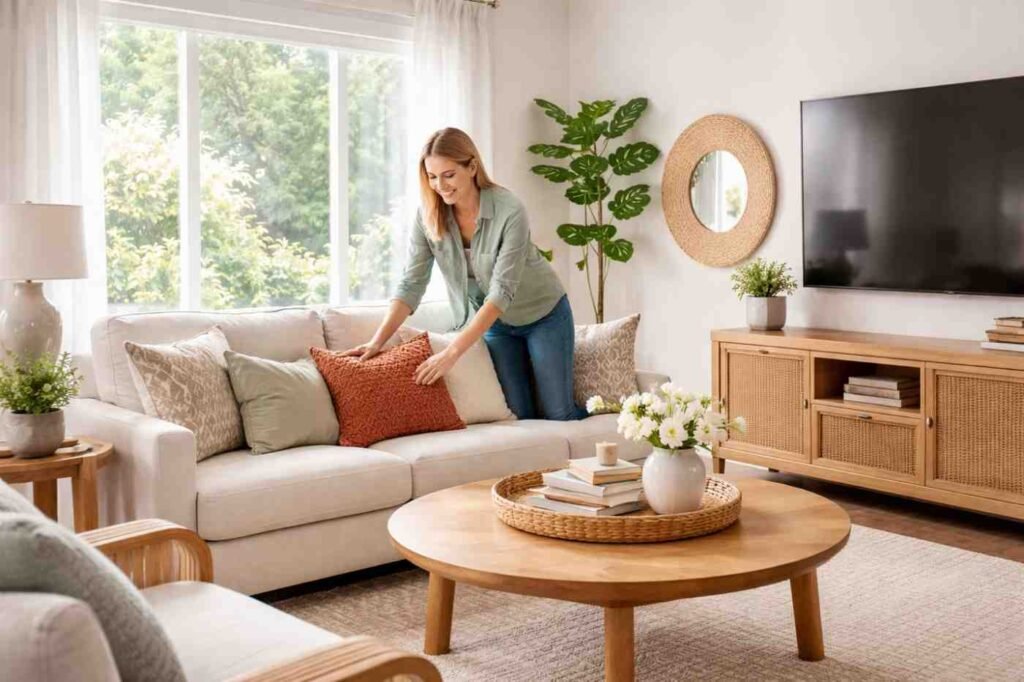
I used to think living room decor was mostly about picking a nice sofa and adding cushions that matched. But real life quickly proved otherwise. The living room is where routines unfold, working with a laptop, hosting friends, relaxing at night, sometimes all in the same day. If the space doesn’t support those shifts, it starts to feel cluttered or unfinished, no matter how “decorated” it is.
What changed things for me was realizing that elevated spaces aren’t created by expensive pieces but by intentional layering. Light, layout, texture, and a few smart design choices can quietly transform how a room feels every day. These smart living room decor tips focus on that balance of comfort, function, and style, working together so the room feels naturally put together rather than staged.
Start With A Layout That Supports Real Life

Most living rooms look awkward, not because of furniture quality but because of the arrangement. When seating doesn’t relate to how people actually use the room, the space feels disconnected.
A layout that elevates daily living usually does three things: encourages conversation, keeps movement easy, and establishes a clear focal point. Instead of pushing everything against walls, slightly floating furniture inward often creates a more intentional seating zone. Even in small living room decor setups, this makes the space feel designed rather than improvised.
If your living room also doubles as a workspace or media area, zoning becomes essential. A rug can anchor the seating area while lighting defines another function, allowing the room to shift purpose without feeling crowded.
Layer Lighting To Shift Mood Effortlessly
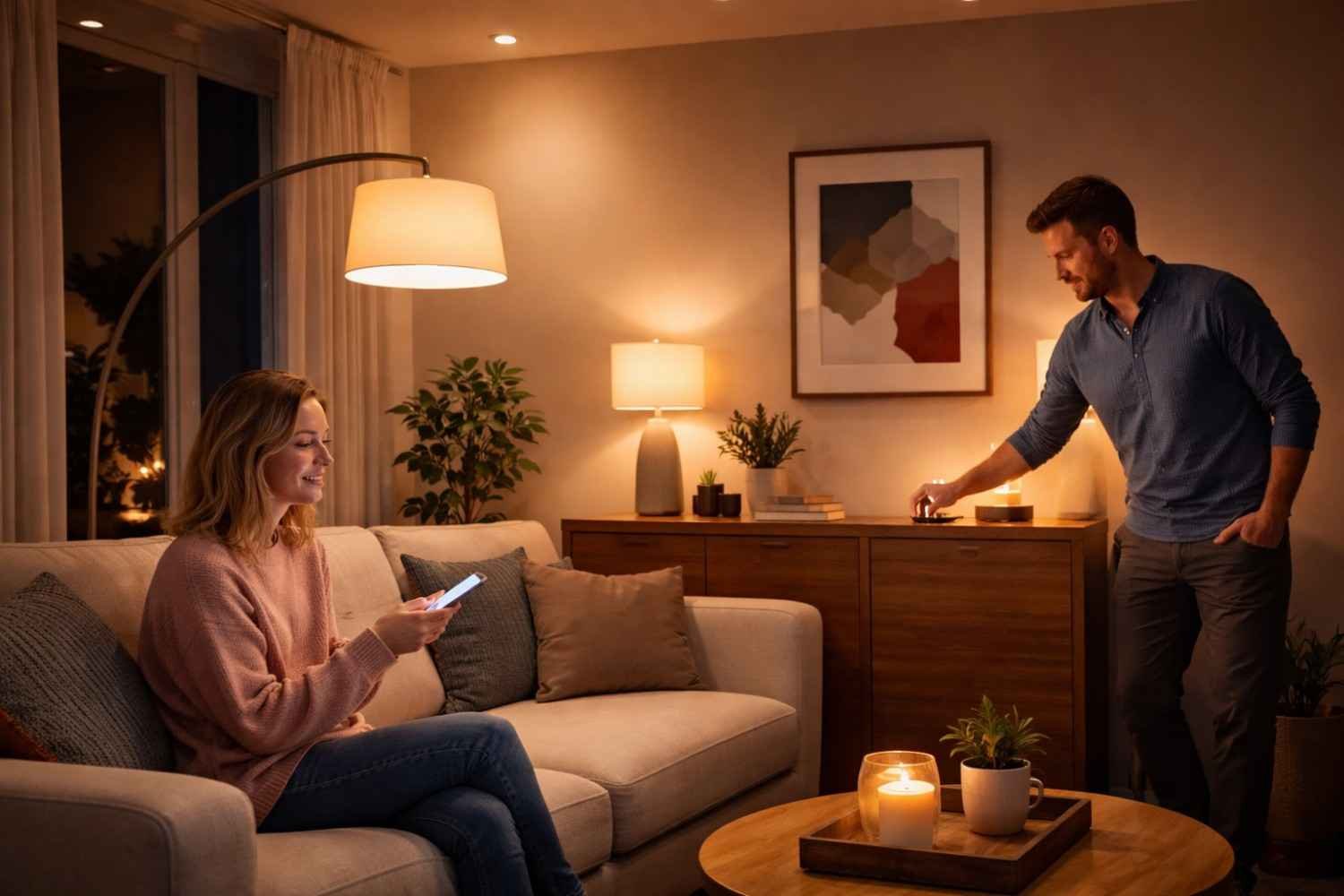
Lighting has the biggest impact on how a living room feels at different times of day. Overhead lighting alone tends to flatten a space, while layered lighting creates depth and warmth.
Smart lighting makes this shift almost invisible in daily life. When ambient, task, and accent lighting work together, the room naturally transitions from productive to relaxed. Warm evening tones feel cozy, while brighter daylight settings support activity.
Ways to layer lighting effectively:
- Combine a ceiling light with floor or table lamps at seating level
- Add LED strips behind shelving or media units for soft depth
- Use adjustable bulbs to shift color temperature through the day
- Highlight a focal point, such as art or textured wall panels
This approach is common in modern living room decor because it adds atmosphere without visual clutter.
Choose Multifunctional Furniture That Reduces Visual Noise
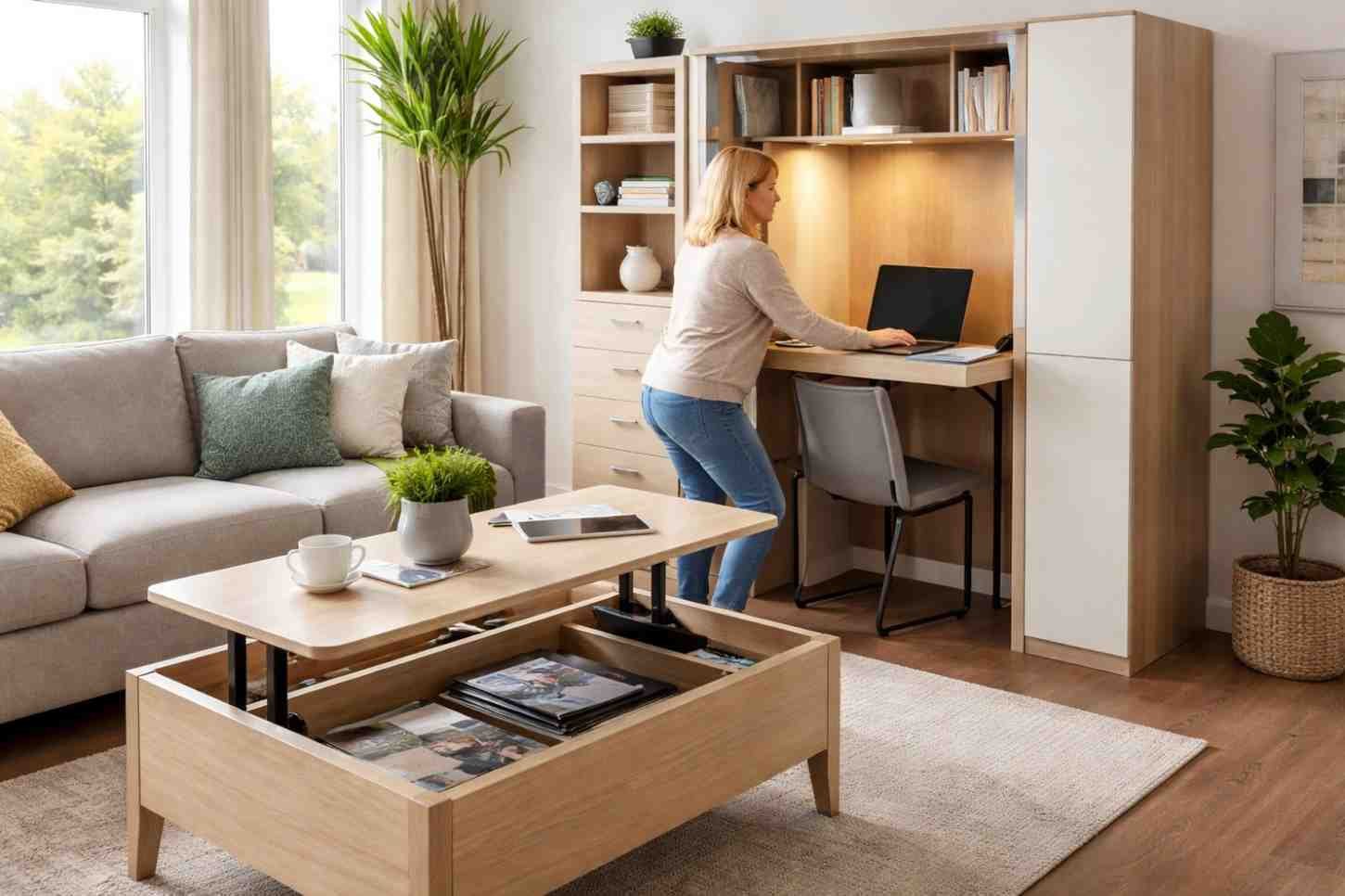
One of the most overlooked living room decorating ideas is how much visible clutter comes from everyday tech chargers, remotes, cables, and devices. Furniture that quietly integrates function helps the room feel calmer and more cohesive.
Coffee tables with hidden storage, side tables with charging surfaces, or ottomans that store accessories keep essentials close but out of sight. In compact living room layout ideas, multifunctional pieces also prevent overcrowding because one item serves several purposes.
The goal isn’t to make the room look minimal. It’s to make it feel effortless. When surfaces stay clear, decor elements stand out more, and the space feels intentionally styled rather than busy.
Create Warmth With Layered Textures
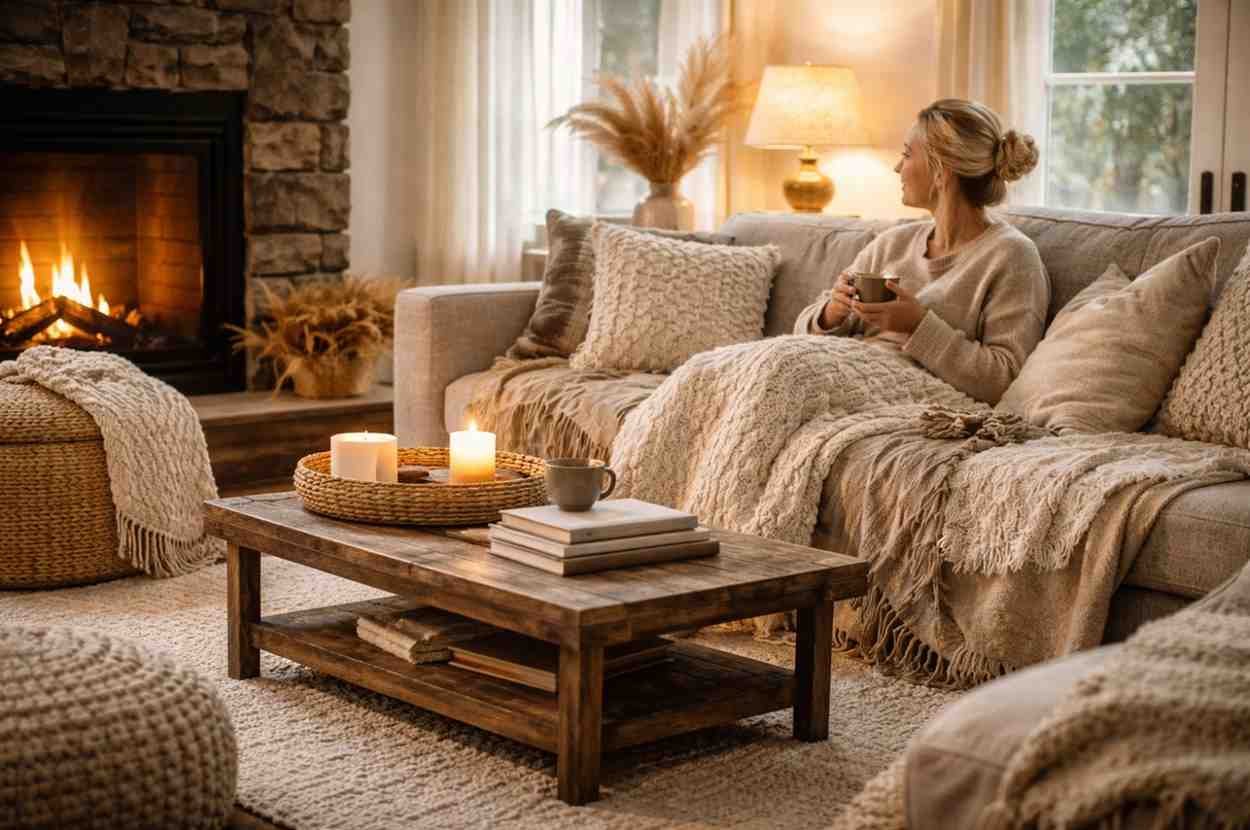
Even beautifully designed living rooms can feel cold if texture is missing. Softness and material contrast are what turn a styled room into a comfortable one.
Layering textiles is one of the simplest cozy living room ideas that instantly elevates the space. Mixing materials like linen, wool, velvet, and cotton introduces tactile richness that lighting alone can’t achieve. Rugs anchor seating, throws soften furniture edges, and cushions add dimension.
Texture mixing also creates visual balance in neutral living room interior ideas. When color palettes stay calm, texture becomes the main source of depth and interest.
Use Smart Design Tricks To Expand And Brighten Space
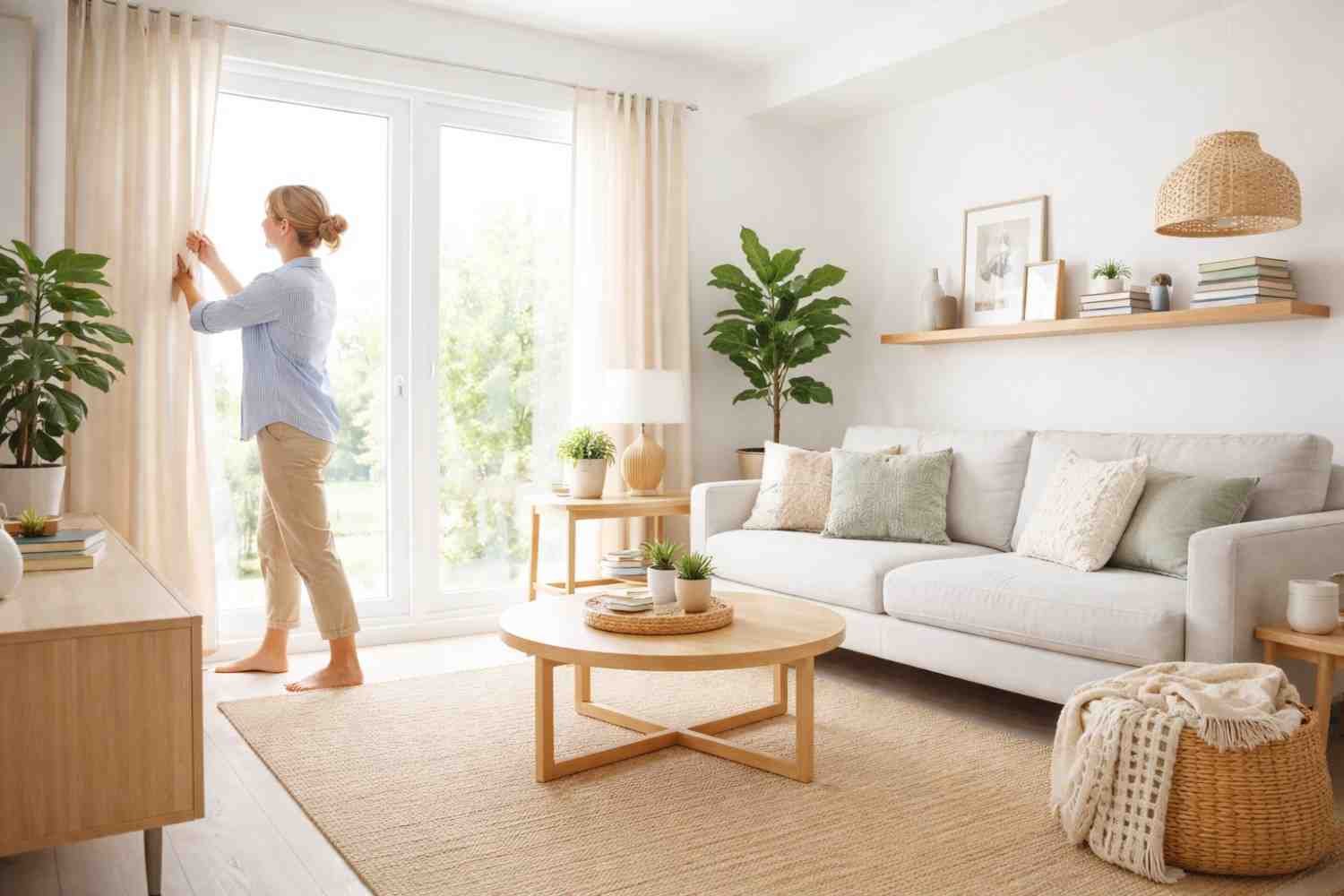
Some of the most effective living room styling tips are visual rather than decorative. Small adjustments in placement and proportion can dramatically change how spacious a room feels.
Mirrors positioned opposite windows bounce natural light across the room, making walls appear farther apart. Vertical shelving draws the eye upward, increasing perceived height. Larger rugs unify furniture, preventing the fragmented look that smaller rugs create.
Styling surfaces also benefits from subtle structure. Grouping objects in odd numbers and varying heights helps decor feel organic rather than staged. These small composition choices are what often separate a stylish living room from one that looks randomly arranged.
Balance Technology With Natural Elements

As homes include more devices, living rooms risk feeling mechanical rather than welcoming. The most successful smart living room decor blends technology into the background while foregrounding warmth.
For homeowners adding connected lighting, speakers, or automation systems, following a step-by-step smart home setup guide can make integrating these features much smoother without overwhelming the space.
Indoor greenery is especially effective here. Plants introduce organic shapes, movement, and color variation that soften structured furniture and screens. Natural materials like wood, woven fibers, or stone finishes also counterbalance sleek surfaces.
Accent walls can help anchor this balance. Textured panels, subtle wall molding, or patterned wallpaper behind a sofa or media unit creates a focal point that feels intentional. When technology sits against a designed backdrop, it integrates rather than dominates.
Make The Room Feel Finished With A Cohesive Palette
One subtle difference between average and elevated living room design ideas is color cohesion. When tones repeat across furniture, textiles, and decor accents, the space reads as complete.
This doesn’t require strict matching. A neutral base with recurring accent tones often works best. For example, a warm beige sofa, a similar-toned rug, and wood finishes create continuity, while cushions or art introduce contrast. Repeating accent colors in small touches around the room helps everything feel connected.
Open-concept spaces especially benefit from this approach because visual flow between zones maintains harmony even when functions differ.
FAQs
1. How can I make my living room look more stylish without buying new furniture?
Focus on rearranging layout, adding layered lighting, and introducing textured textiles. Small styling changes like larger rugs, cohesive cushions, or wall art grouping often create more impact than replacing furniture.
2. What is the most important element in living room decor?
Lighting and layout together have the biggest influence. When the seating arrangement supports conversation and lighting creates depth, the room naturally feels more comfortable and visually balanced.
3. How do I decorate a small living room without clutter?
Use multifunctional furniture with hidden storage, float seating slightly inward, and keep a consistent color palette. Mirrors and vertical shelving help expand visual space while maintaining functionality.
4. How do I make a living room feel cozy but modern?
Combine clean-lined furniture with warm textures like wool throws, soft rugs, and ambient lighting. Mixing natural materials with simple shapes keeps the space contemporary yet inviting.
Final Thoughts
Elevating a living room rarely comes from one dramatic change. It usually happens through small, intentional decisions that support how the space is actually used every day. When layout feels natural, lighting adapts to mood, textures add comfort, and technology stays discreet, the room begins to feel complete. That sense of ease is what makes a space feel thoughtfully designed rather than decorated.
A well-balanced living room quietly supports daily life while still feeling visually calm and welcoming. That’s what lasting decor really achieves.